
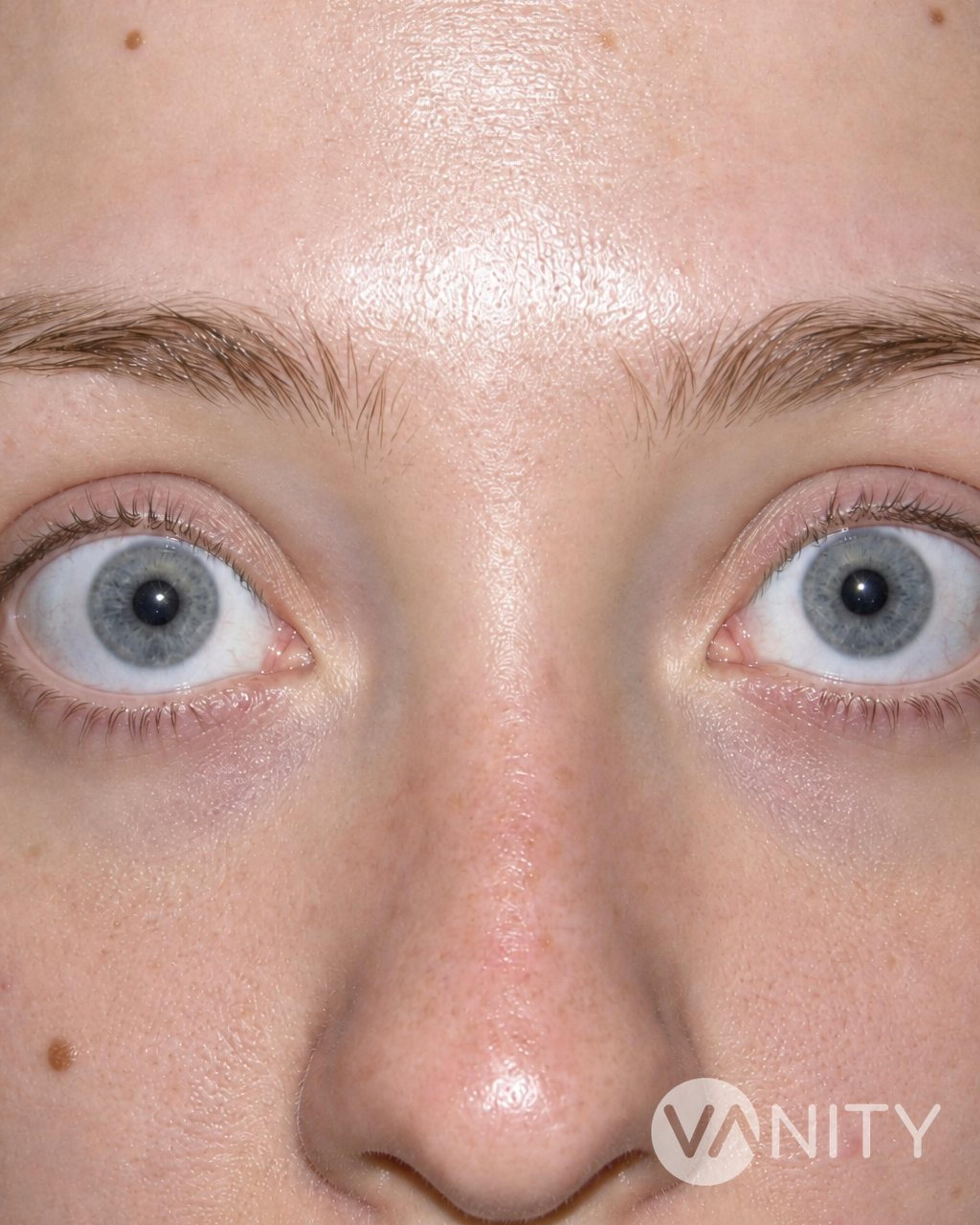
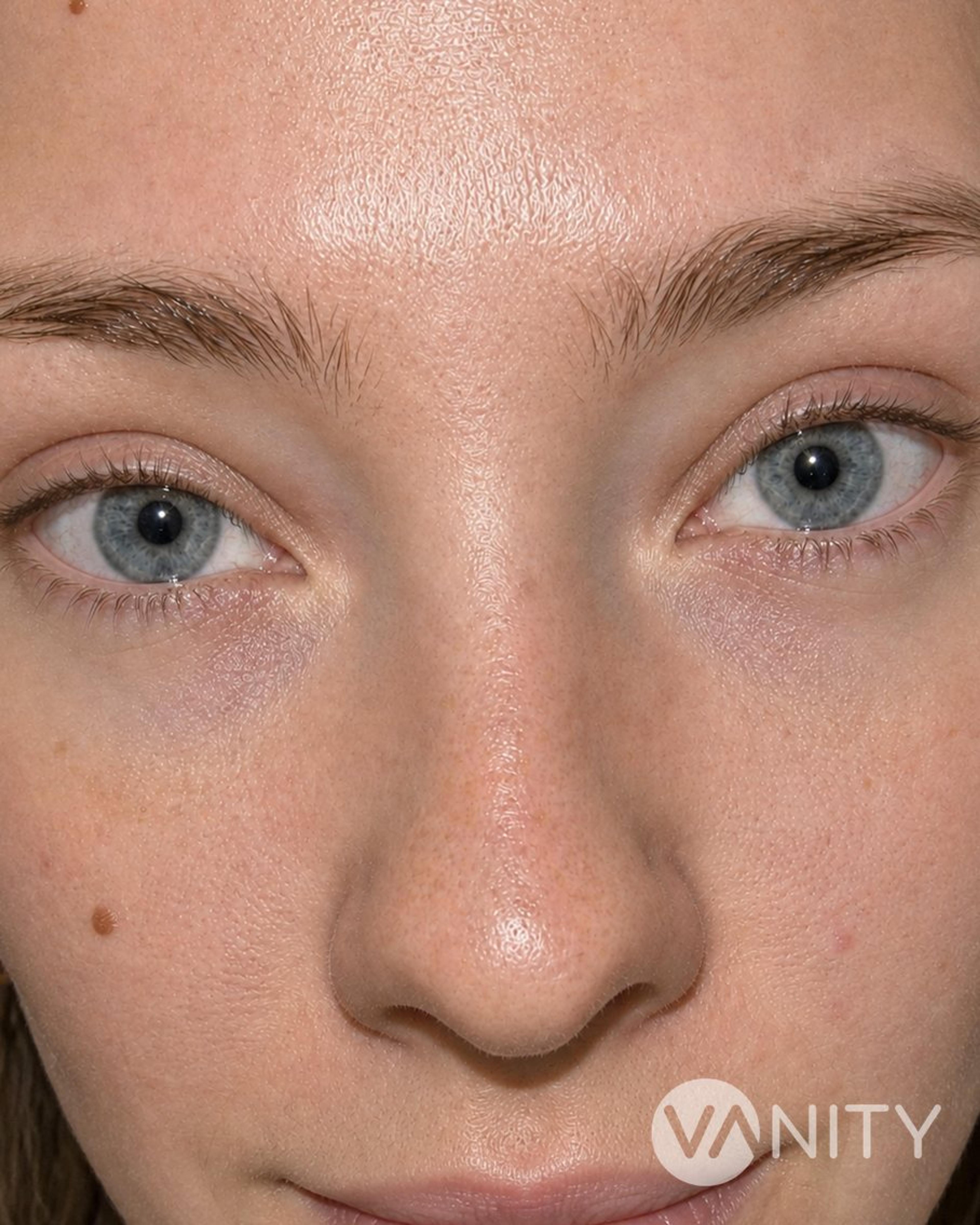




What it is
Fox eye and almond eye surgery reshapes or supports the outer corner of the eye. The aim is usually a slightly longer, more lifted almond shape that still looks like your real self.
Depending on your eye shape and the amount of lift needed, your surgeon may recommend canthopexy or canthoplasty. These procedures can also support a lower lid that has become loose or changed after previous eyelid surgery.
See how it works
From the clinic's channel — the procedure explained in plain terms.
Techniques we use
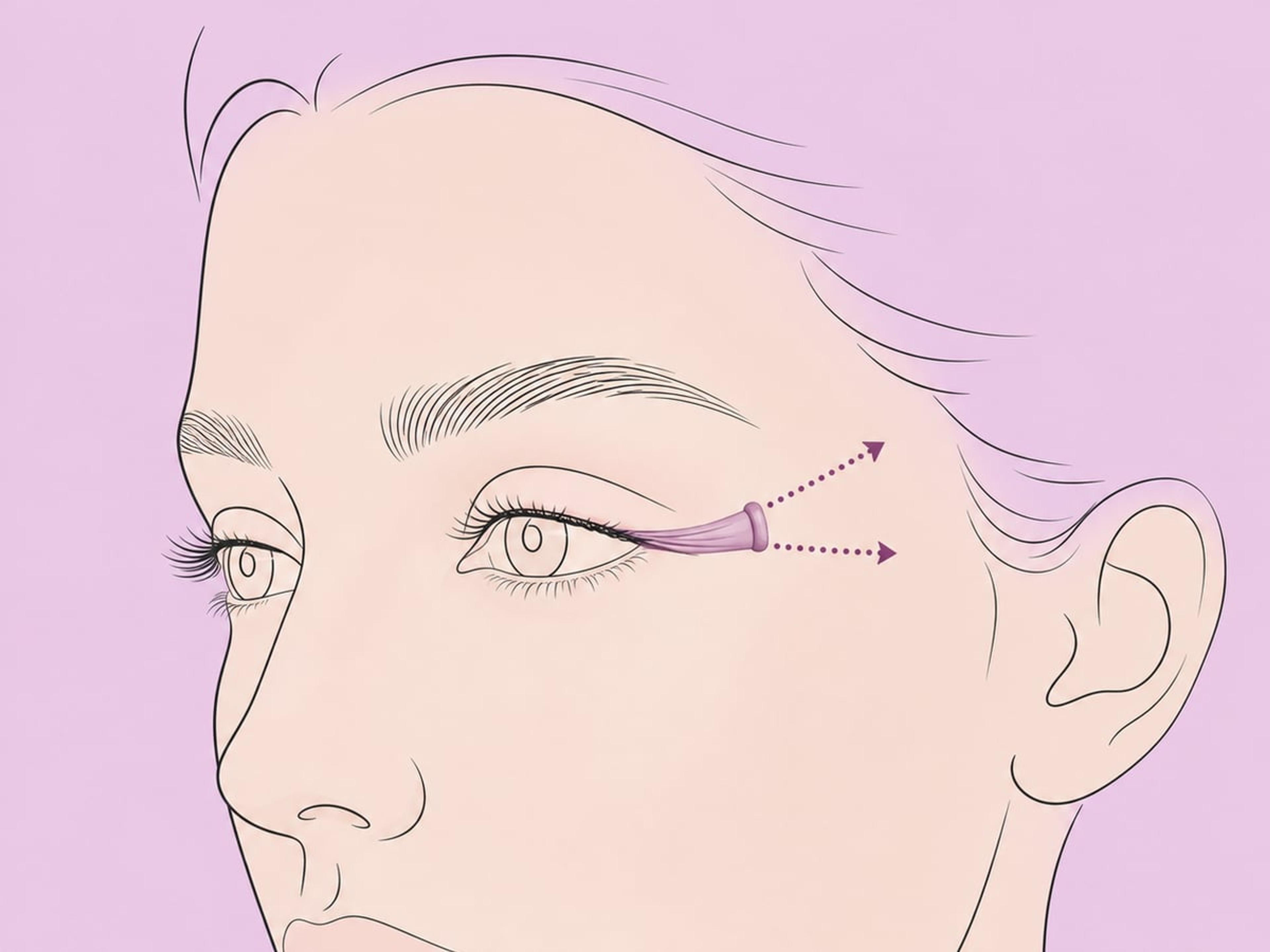
Canthoplasty makes a fuller change to the outer corner of the eye. Through a small incision, the surgeon releases the supporting tissue, moves the corner into its planned position and secures it there. It may be combined with lower eyelid surgery when appropriate.
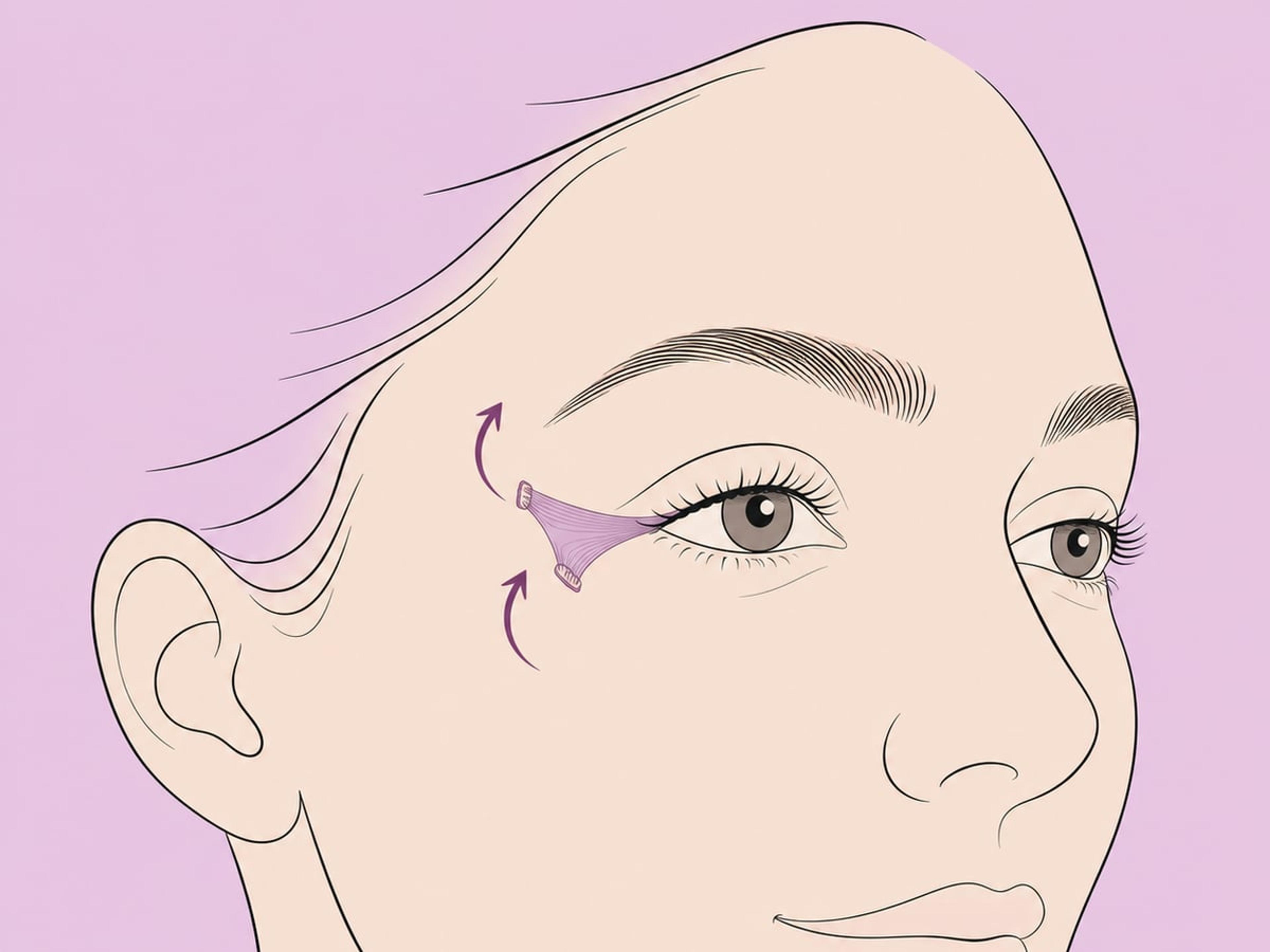
Canthopexy is the gentler option. The surgeon tightens and supports the outer corner without fully releasing it, so the change is usually more subtle. It is often chosen when the lower lid needs extra support as well as a small lift.
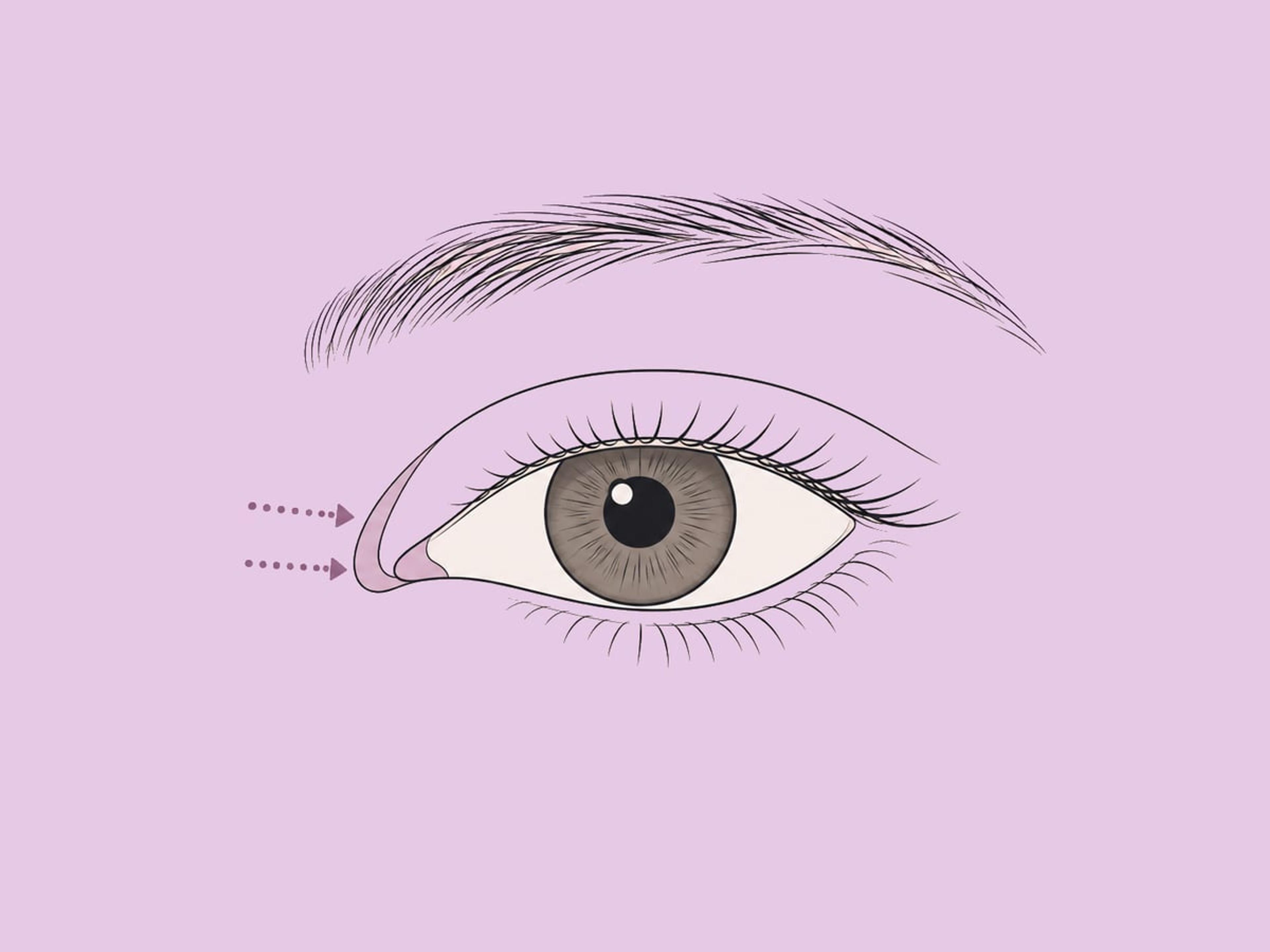
This procedure works on the inner corner of the eye and may be paired with outer-corner surgery. It can make the eye appear longer and help balance the overall almond shape.
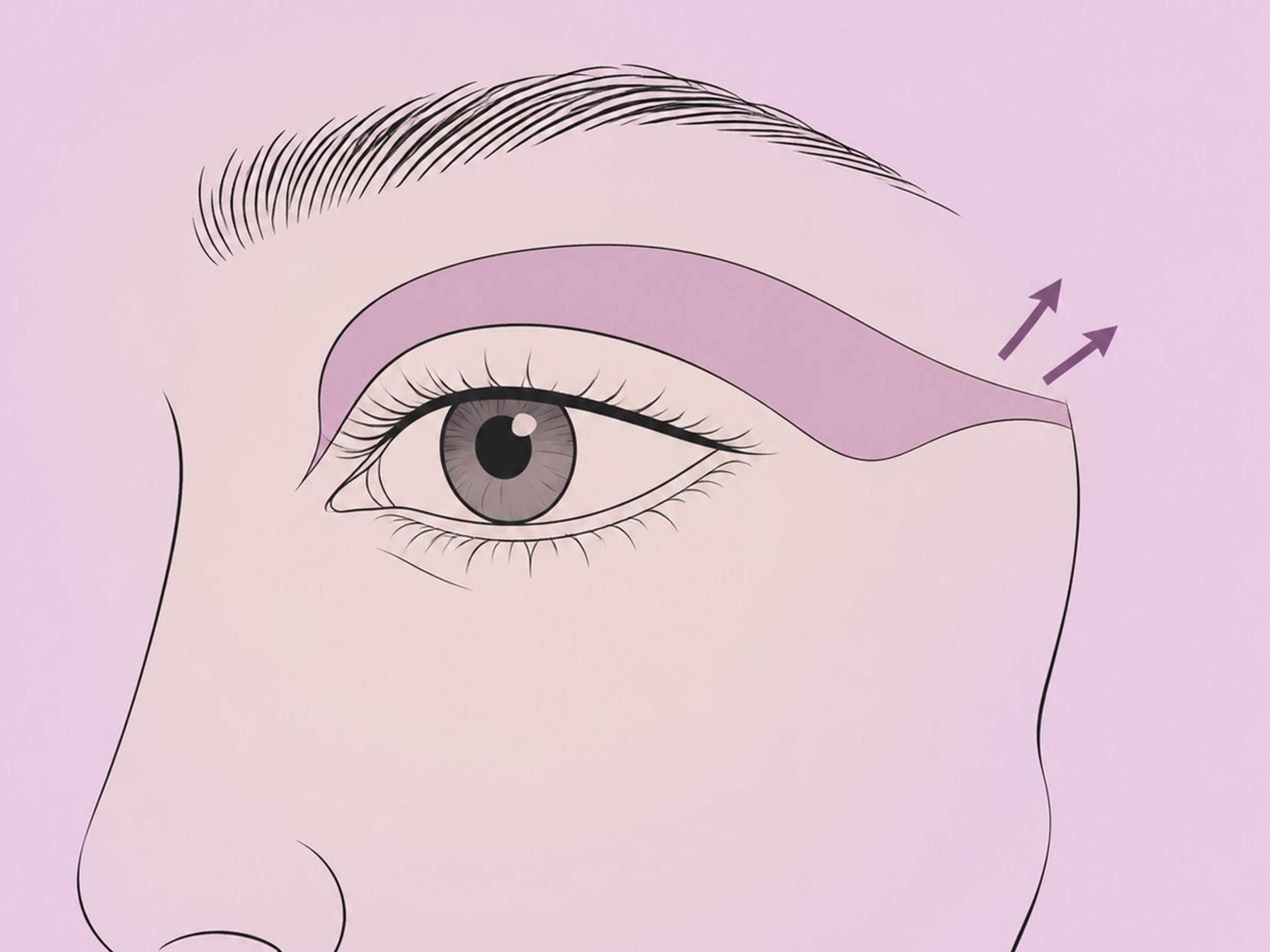
Canthopexy can be combined with upper eyelid surgery when hooded skin is making the eyes look heavy. Supporting the outer corner and refining the upper lid can open the eye area without relying on a stronger outer lift alone.
How the surgery is performed
Marking and planning
Before anaesthesia, the surgeon marks the outer corners and confirms the planned tilt with you. The change is set in millimetres — over-lifting is what makes a canthoplasty look operated rather than rested.
Anaesthesia
Usually general anaesthesia. You feel nothing during the operation.
A small incision at the outer corner
The incision sits in or just beyond the lateral canthus, where the upper and lower lids meet. Placing it in that natural junction is why the mature scar is hard to see at conversational distance.
Releasing and repositioning the tendon
The lateral canthal tendon is detached and re-anchored slightly higher or further out on the orbital rim. This is the step that actually changes eye shape — the lift comes from where the tendon is fixed, not from removing skin.
Tension check and closure
Tension is set so the lift holds without pulling the lower lid out of position, then the incision is closed carefully with fine aesthetic sutures to minimise scarring. They come out in clinic around days 5–7.
Recovery, week by week
- Day 1
Sutures sit at the outer corner, with mild bruising and swelling. Vision may blur from ointment. Cold compresses and keeping your head raised are standard.
- Week 1
Sutures usually come out around days 5–7. Bruising fades from purple to yellow, and most people are comfortable in sunglasses outside.
- Week 2
Swelling settles enough for desk work and video calls. The outer corners can still feel tight or look slightly overcorrected.
- Week 6
Scars at the corner begin to soften and fade. The eye shape settles closer to the intended result, and the gradual return to exercise that began around week 3 is usually complete.
- Month 12
Shape, scar maturation and tissue settling are complete. Any subtle asymmetry still visible now is usually permanent.
How to prepare
- Stop blood thinners, NSAIDs and supplements such as fish oil and vitamin E 14 days before surgery.
- Avoid smoking and nicotine for at least 4 weeks beforehand to support healing.
- Have a recent eye check if you wear contacts, have dry eye or have had prior lid surgery.
- Arrange 2–3 quiet days with cold compresses and lubricating drops.
- Bring clear, well-lit photos of your eyes from the front and both sides for your consultation.
- On the day of surgery, arrive with a clean face and no make-up, and wear a wide-collared top you can take off without pulling it over your head.
Risks
Every operation carries risk. We name them so you can ask the right questions.
- Asymmetry between the two eyes
- Visible scarring at the outer corner
- Dry eye or temporary tearing
- Over- or under-correction of eye shape
- Lower-lid malposition — ectropion or scleral show
- Infection or delayed wound healing
- Reaction to anaesthesia or sedation

What to expect in Turkey
Fox eye and almond eye surgery in Istanbul is planned as a 7-day medical stay, with surgery, early recovery and follow-up arranged before you travel home.
Before you fly
We talk to you before you travel — usually by video, with your photos and any prior eyelid history — so the plan is agreed before you book a flight. The preparation steps above apply unchanged; the one addition is travel. Confirm that airport pickup and an English-speaking coordinator are written into your package before you book.
At the clinic
Surgery is performed at Vanity Cosmetic Surgery Clinic, usually under general anaesthesia. You are observed after the procedure and then continue your recovery in Istanbul with support from us.
Recovery in Istanbul
Stay in Istanbul for 7 days in total. We schedule your early follow-up within that time, so your healing corners can be checked in person before you travel home.
Heading home
Your surgeon confirms when you are ready to fly home after your final review. Care then continues for 12 months by message and scheduled review.
- United States
- $5,000 – $12,000
- United Kingdom
- £4,000 – £5,500
- Germany
- €4,500 – €8,000
- Canada
- $5,500 – $11,000
- Australia
- $6,000 – $12,500
- Italy
- €3,500 – €7,500
- France
- €4,000 – €8,500
- Switzerland
- CHF 5,000 – CHF 8,000
Published typical ranges for orientation — confirm with a local quote.
Frequently asked
How long do I really need off work?
Most people take 7–14 days. Stitches come out around days 5–7, and by the end of week 2 residual swelling is usually subtle enough for video calls and in-person meetings.
Will fox eye surgery look natural?
A careful plan aims for a longer, slightly lifted almond shape that still looks like you. A stronger upward tilt is more noticeable, so the degree of change is agreed with your surgeon before surgery.
How long does the result last?
A well-executed canthoplasty is long-lasting, often a decade or more. Tissues keep ageing, though, so some loosening over time is normal, and occasionally a small touch-up is worthwhile.
What is the difference between canthoplasty and canthopexy?
Canthopexy gently tightens and supports the outer corner, creating a subtler lift. Canthoplasty allows the surgeon to move the outer corner more fully, so it can create a clearer change in shape and tilt.
Can it be combined with other eyelid surgery?
Yes. It is often paired with lower blepharoplasty to support the lid after fat or skin removal, and sometimes with epicanthoplasty or upper-lid surgery as part of a broader eye-shape plan.
Is the scar visible?
The incision sits in or just beyond the outer corner, where it usually fades to a fine line over 6–12 months. In most people it is hard to see at conversational distance once it has matured.
How long do I need to stay in Istanbul?
Plan to stay in Istanbul for 7 days in total. This allows time for surgery, early recovery and in-person follow-up before you travel home. Your surgeon confirms when you are fit to fly.
How painful is fox eye surgery?
You feel nothing during surgery — it is done under general anaesthesia. Afterwards, discomfort is mild to moderate for a few days and settles with simple pain relief; tightness at the outer corners is normal while swelling goes down.
What should I avoid while my eyes heal?
Keep make-up away from the eye area until your surgeon clears it, avoid touching or rubbing your eyes, and stay out of pools and the sea until the incisions have fully closed. Shield the healing corners from direct sun, which is what darkens a young scar, and start scar products only once your surgeon says the wound is ready. Light walking is fine early on; strenuous exercise restarts gradually from around week 3, and full training is usually back by week 6.
Are there less invasive alternatives to canthoplasty?
Yes. A temporal brow lift can create a mild lift around the outer eye, while thread lifts and Botox can give temporary changes. Neither gives the same stable reshaping as surgery. Canthopexy is the gentler surgical option when only a small lift and added support are needed.
Is fox eye surgery the same as canthoplasty?
Fox eye surgery describes a look rather than one fixed operation. Depending on your anatomy, the surgical plan may be canthopexy for gentle support and lift, canthoplasty for a fuller outer-corner change, or upper eyelid surgery if heaviness comes mainly from the lid above. Your surgeon decides this with you at consultation.
What is the difference between a fox eye and a cat eye look?
Both describe an elongated, lifted eye shape. A fox eye look is usually softer and more subtle, while a cat eye look has a sharper upward angle. The right degree of lift depends on your natural eye shape and what will still look balanced on your face.
Am I a good candidate for canthoplasty?
Good candidates are in good general health with no conditions that impair healing, are non-smokers or willing to stop, and have realistic expectations — the surgery changes eye shape, not your overall facial structure. Downturned outer corners, lower-lid laxity or asymmetry are the classic indications.
Who is not a good candidate for canthoplasty?
If the heaviness is in the upper lid rather than the corner, upper blepharoplasty or a brow lift treats the cause better. Active dry eye or an irritated ocular surface has to be settled and reassessed first, since tightening the corner can make symptoms worse. Lids that already sit loose against the eye raise the risk of lower-lid malposition, so a support-first canthopexy is often the safer plan there.
What makes the price vary?
The main drivers are the surgeon's experience, the complexity of your anatomy, and whether canthoplasty is combined with blepharoplasty or other eyelid work. What a quote bundles matters as much as the headline figure — confirm anaesthesia, medication and follow-up visits are included before comparing prices.
Sources
- [1]Focus on the eyes: The ins and outs of canthopexy and canthoplasty · American Society of Plastic Surgeons
- [2]Cosmetic Lateral Canthoplasty: Preserving the Lateral Canthal Angle · PubMed Central · 2016
- [3]A Retrospective Review of Patients Undergoing Lateral Canthoplasty Techniques to Manage Existing or Potential Lower Eyelid Malposition: Identification of Seven Key Preoperative Findings · PubMed · 2015
- [4]Surgical preferences for lateral canthoplasty and canthopexy · PubMed · 2014